Field observations
Woven baskets bring structure and warmth to everyday scenes. Across fields, workshops, tables, and interiors, their repeating lines hold flowers, fruit, leaves, cloth, and small ne
Dense and Open Weaves
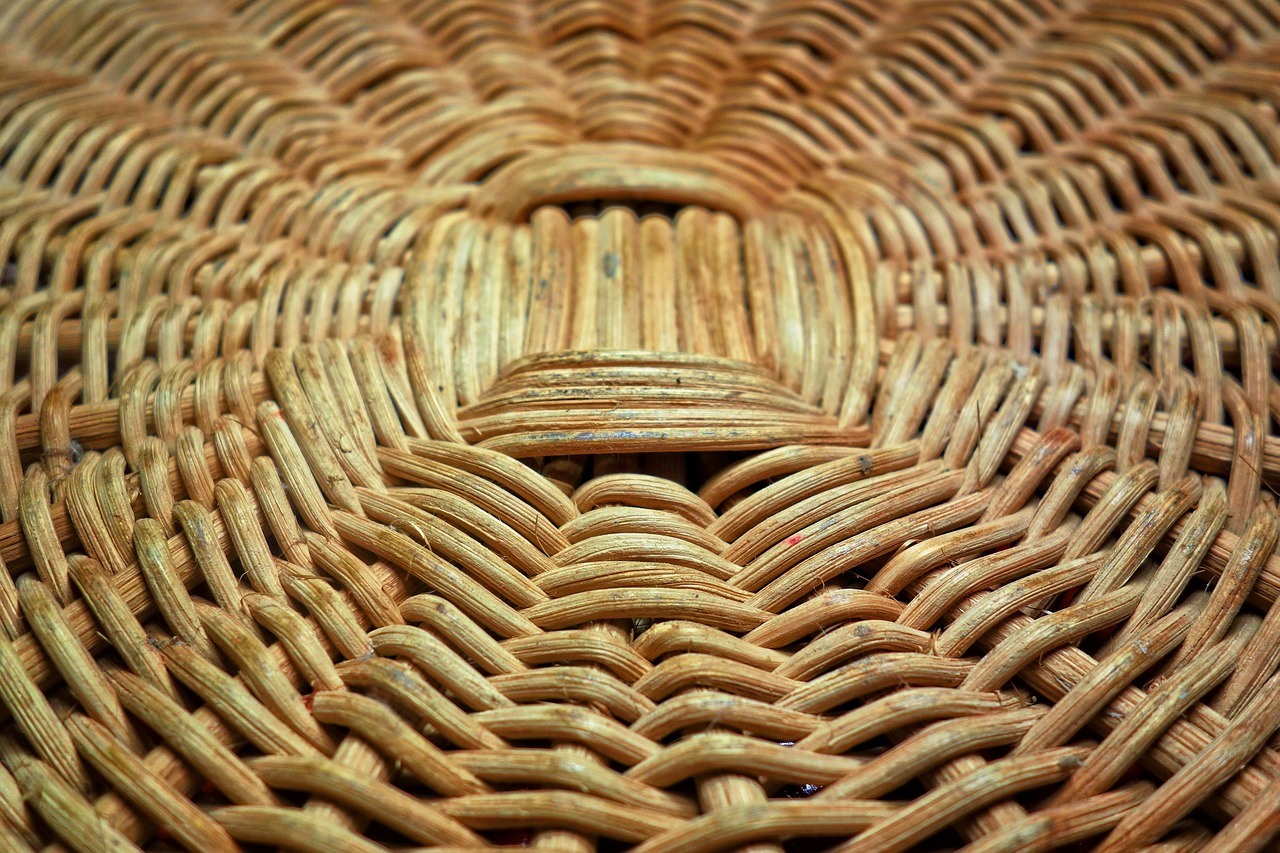
The spacing between fibers changes both the appearance and apparent weight of a basket. Open lattice allows background color and light to pass through, giving large carriers a lighter visual presence. Dense weaving produces solid walls, stronger blocks of shadow, and a clearer surface for small variations in color. Some baskets combine both approaches, using firm vertical stakes with closely layered horizontal bands. Shallow trays rely on fine, even patterns that read almost like fabric from a distance. In close-up, every gap becomes part of the design. Comparing these structures reveals that texture is shaped as much by empty space as by the material itself.
Continue through the collectionAll field notesReading the Rim
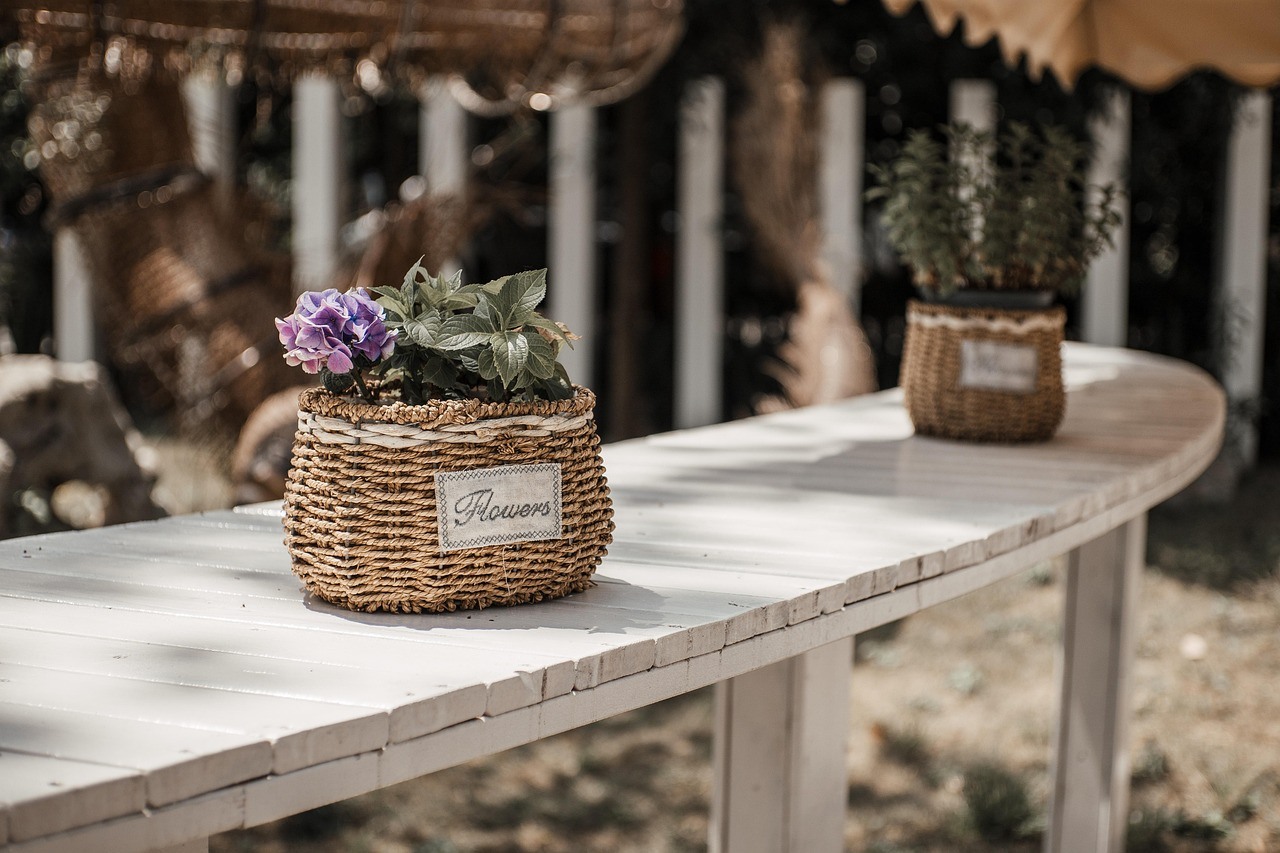
A basket’s rim does more than finish its edge. Visually, it establishes scale, direction, and the boundary between container and contents. Thick rims appear firm and sculptural, while narrow ones allow the woven walls or gathered materials to take precedence. In these scenes, oval openings lean into perspective, circular trays flatten into broad fields, and rectangular tops reinforce upright geometry. Some rims are sharply focused; others pass through the foreground as soft, warm arcs. Contents may sit below the edge, rise above it, or spill across it. Watching these relationships is a useful way to understand the whole composition, because the rim quietly organizes nearly every surrounding line.
Continue through the collection